
CRPA Personal Protection In The Home
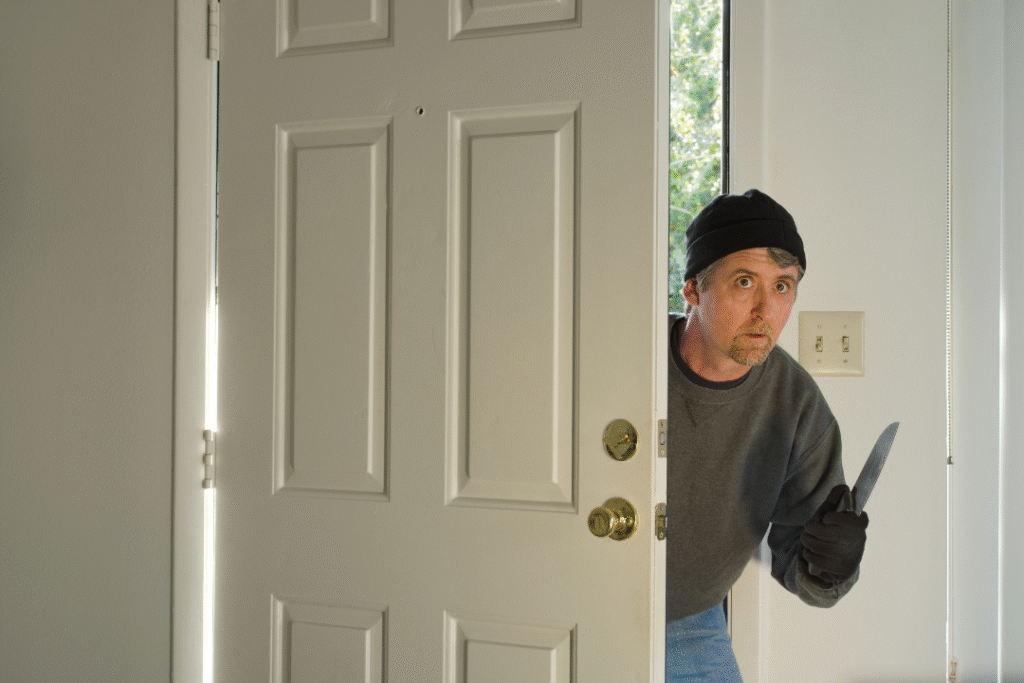
If protection of yourself or family is your reason for gun ownership, the Basic Pistol Shooting course plus a lot of practice is your first step. The Personal Protection in The Home (PPITH) class is next. Entry into this course requires a demonstrable level of pistol shooting and handling. This requirement is met with a Level 4 Course Competition certificate from the Basic Pistol Shooting course. In the PPITH class, you will learn and practice defensive shooting skills that may be used to defend the important people in your life. You will also learn how to make your home safe and how to respond to intruders should they force their way into your home.
For more information or to enroll in the class, click one of the buttons below.
Detailed Personal Protection In The Home Description
The Personal Protection In the Home is the next step up from the Basic Pistol Shooting Course. Entry into this course requires a demonstrable level of pistol shooting and handling. One way to meet this requirement is to earn a Level 4 Course Competition certificate from the Basic Pistol Shooting course.
This nine hour course teaches the basic knowledge, skills, and attitude essential for the safe and effective use of a handgun to protect you and your loved ones while in your home. Students will learn basic defensive shooting skills and strategies for home safety, how to respond to a violent confrontation, how to choose a handgun for self-defense and the psychological and physiological effects of high stress during an attack and how to manage them.
Topics covered in the classroom include basic defensive shooting concepts and skills, shooting positions, aiming and firing techniques, utilizing cover and concealment, safe gun handling before, during and after a shooting and opportunities to maintain and advance your gun skills after the class is over. The class also covers how to make your home safer and how to respond in case of a breaking, when/if you should shoot and the aftermath of a defensive shooting.
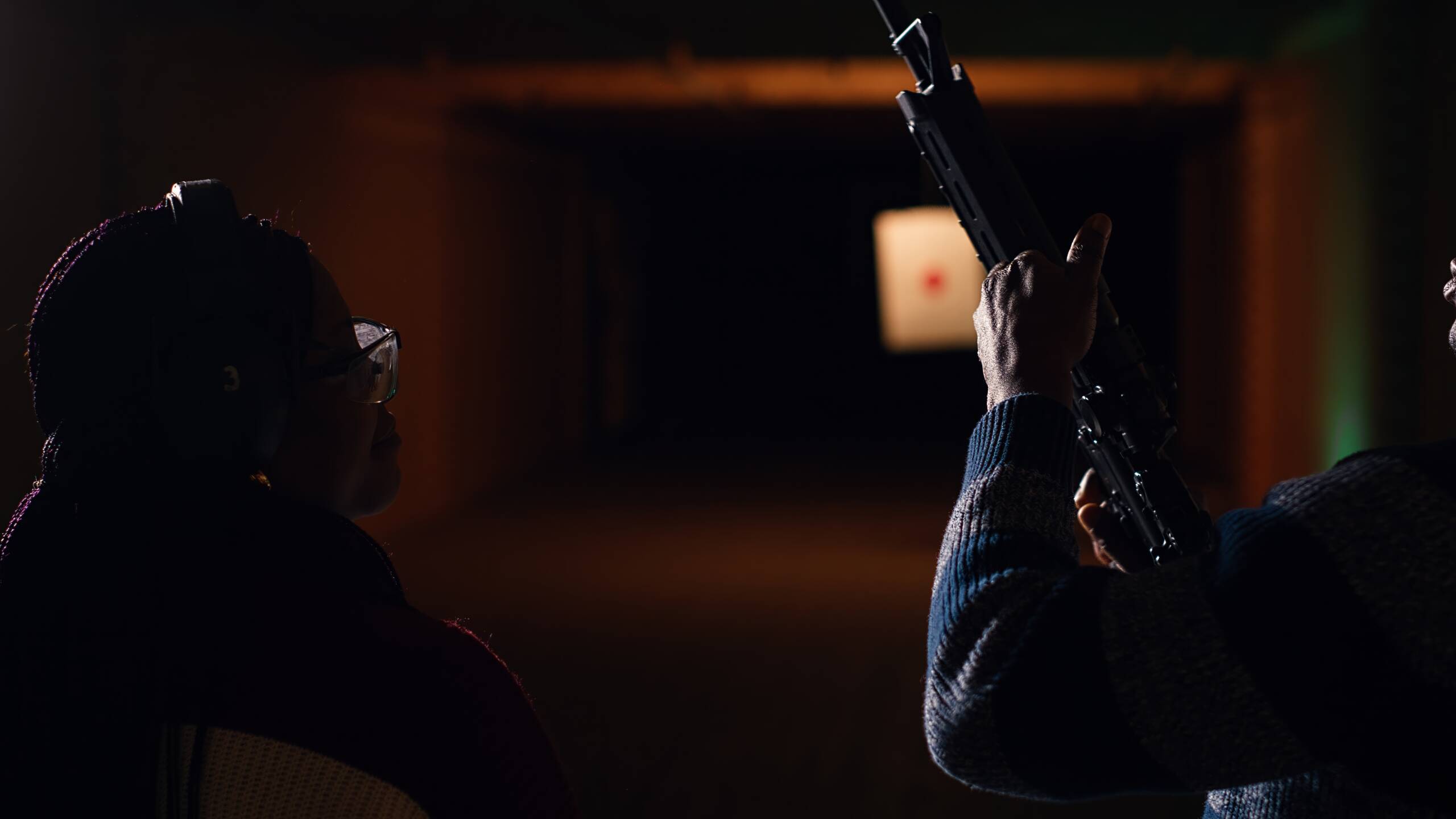
Students will receive the Guide to the Basics of Personal Protection In The Home Handbook, other materials and a course completion certificate. The techniques and shooting methods taught in the class will be practiced at the classroom site using airsoft pistols and afterwards at a shooting range. Students should bring 300 rounds of ammunition. A shooting range test is required for a completion certificate.
The legal portion of the course presents a summary of California law concerning the use of a handgun for personal protection. This part of the class has been prepared by CRPA’s licensed attorneys for presentation by a CRPA certified instructor. It is taught by a CRPA, not NRA instructor or attorney. The instructor is not a licensed attorney. The legal information presented in this class should be verified by the student with a California licensed attorney before taking any action that may have legal consequences.
Why Choose the Personal Protection in the Home Course
The Personal Protection in the Home course is designed to prepare individuals to respond confidently and responsibly to potential threats inside their home. While basic shooting skills are essential, defending oneself in a real-world home environment requires a deeper understanding of strategy, awareness, and decision-making under stress.
This course builds upon foundational handgun training and focuses on applying those skills in realistic home-defense scenarios. Students learn how to think critically, move safely, and make sound decisions to protect themselves and their loved ones while minimizing unnecessary risk. The goal is not only personal protection, but also responsible action and preparation.
What You Will Learn in This Course
This course combines defensive shooting instruction with practical home-security strategies to create a well-rounded approach to personal protection.
Students will learn:
Defensive shooting principles for home environments
Threat identification and safe engagement techniques
Recoil control and shot placement under stress
Movement, positioning, and use of cover inside the home
Understanding the difference between cover and concealment
Creating a family emergency and communication plan
Safe firearm storage for quick access during emergencies
Home layout considerations and safe defensive positions
Improving home security through awareness and preparation
Responsible decision-making during high-stress situations
Training is structured to help students remain calm, controlled, and aware during potential defensive scenarios.
Your reviews that speak for themselves
“Highly recommended for new and experienced owners”
Whether you are new to firearms or looking to refresh your skills, this training is outstanding. The instruction was clear, practical, and focused on real-world situations.

Harry Miles
“Excellent instruction and hands-on training”
This was one of the most thorough and professional classes I have attended. The instructor took time to ensure everyone understood proper handling, safety rules, and legal responsibilities.

Jim Carter
“Professional, safe, and extremely informative”
The course was well structured and easy to follow. Safety was emphasized throughout the class, and every question was answered clearly. I left feeling confident and well prepared.